Arc Flash Studies, Short Circuit Coordination and NYC EPR Drawings, in Plain Terms
Three services that get bundled together on a spec sheet and rarely explained.
September 10, 2026 · 3 min read
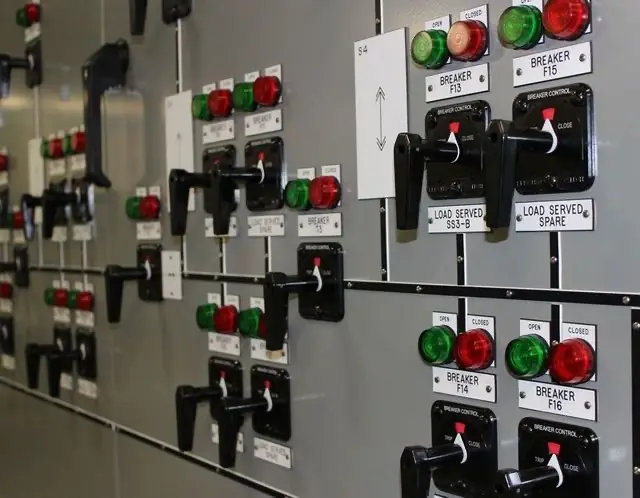
These three terms show up together on almost every commercial and industrial electrical spec, usually as a single line item, and most people working around them can tell you they're required without being able to say what any one of them actually does. They're related, but they aren't the same service, and knowing the difference matters when a job is being scoped.
Short circuit coordination
A short circuit coordination study looks at the electrical distribution system as a whole and works out what happens if a fault occurs somewhere in it, how much fault current would flow, and whether the protective devices upstream and downstream, breakers, fuses, relays, are set to isolate the problem without taking down more of the system than necessary. Done well, it means a fault in one panel trips the breaker feeding that panel, not the main breaker feeding the whole building. It's engineering work done on paper, using the actual equipment and settings specified for the job, before anything is energized.
Arc flash study
An arc flash study uses the results of the short circuit study to work out what an arc flash event would mean for anyone working on or near a given piece of equipment. The output is the labeling and working guidance that tells an electrician what they're dealing with before a panel gets opened, not a document that sits in a drawer. It depends on the short circuit study being done first and done accurately, because the two happen in sequence, not side by side.
NYC EPR drawings
An Electrical Permit and Requirements, or EPR, drawing package is the design documentation a project in New York City typically has to submit as part of getting an electrical installation approved. It's a separate deliverable from the studies above, but it draws on the same underlying system design, and jobs in the five boroughs frequently need all three together, the coordination study, the arc flash study and the EPR drawing submission, produced as one coherent package rather than three documents reconciled after the fact.
When a job actually triggers this
New installations, service upgrades, and any project touching the main distribution equipment on a commercial or industrial building are the jobs where this comes up. It's not something a small residential job typically needs, and it isn't optional paperwork on the jobs where it does apply. It's engineering that has to happen before equipment gets energized and people start working around it.
Why doing it in house shortens the loop
Benfield's engineering services, through Benfield Control Systems, cover short circuit coordination, arc flash studies and NYC EPR drawing submission directly, alongside the design and AutoCAD work the studies depend on. When the same shop supplying the switchgear is also producing the studies and the drawings, a spec change on one doesn't mean chasing three separate parties to update the other two. That's less a convenience than the actual reason a project uses one distributor's engineering group instead of splitting the studies out separately.
Benfield describes this group's role, in its own language, as extensive electrical engineering services and technical expertise built around in-house software development, full design and drawing capability, and value engineering for the project as a whole. The three services covered here sit inside that broader capability rather than standing apart from it, which is why they tend to arrive as one coordinated package on a Benfield-engineered job instead of three separate line items handled by three separate firms.
Benfield Electric Supply Co. Inc., (914) 202-4641
Call (914) 202-4641More articles
Why the Counter Still Beats Next-Day Shipping on a Live Job
National shipping promises next day. A live job needs the material this morning, and that's a different problem.
What a UL508A Panel Shop Actually Does, and When You Need One
Buying the parts a control panel needs and buying a finished, tested panel are two different jobs.